

How to Start a Dropshipping Business for Free: A Comprehensive Guide
The allure of entrepreneurship often comes with the sting of hefty startup costs. What if you could bypass that initial financial burden and launch your own online store without spending a dime? Enter the world of dropshipping. While the idea of starting a dropshipping business for free might seem like a pipe dream, with the right strategies and a dash of ingenuity, you can indeed turn this dream into a reality. This comprehensive guide will walk you through the steps, challenges, and essential knowledge you need to embark on your dropshipping journey without emptying your wallet.
Understanding the Dropshipping Model
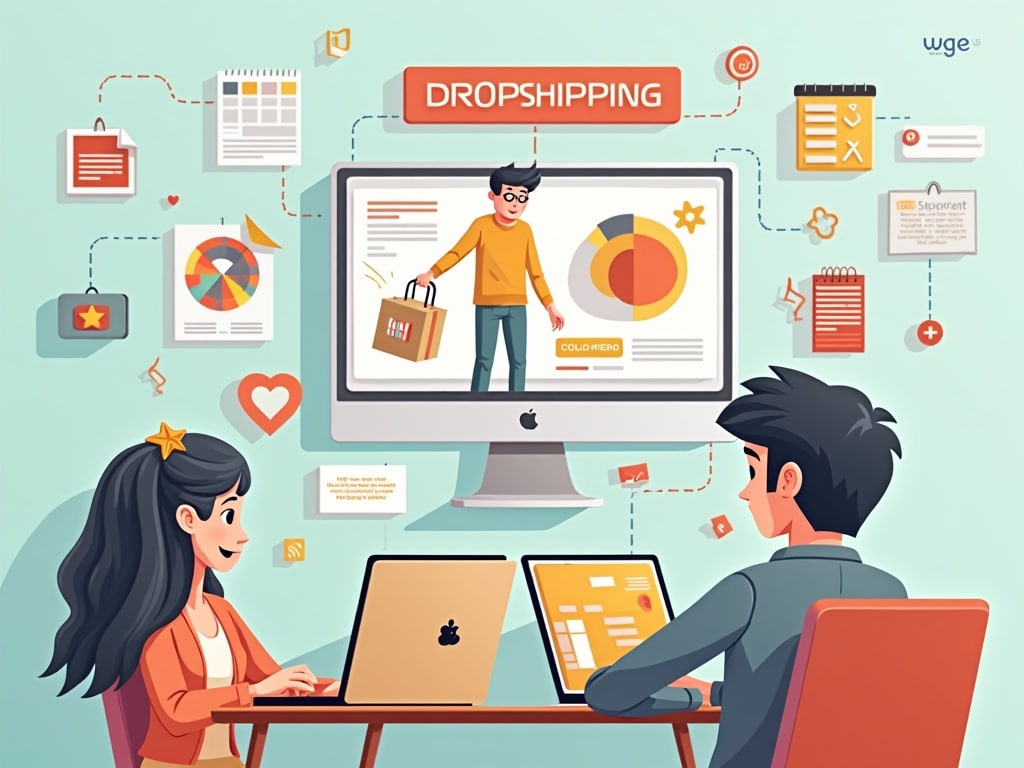
Before diving into the ‘free’ aspect, let's solidify our understanding of dropshipping itself. In a traditional retail model, you buy inventory, store it, and ship it to customers. Dropshipping flips this process on its head. You, as the retailer, don't hold any inventory. Instead, when a customer places an order on your website, you forward that order to a third-party supplier who then ships the product directly to the customer. Your profit is the difference between the price you list the item for and the price the supplier charges you.
Key Benefits of Dropshipping:
- Low Startup Costs: As you don't need to invest in inventory, your initial expenses are significantly reduced.
- Wide Product Selection: You can offer a vast array of products without the financial risk of purchasing them upfront.
- Flexibility and Scalability: Run your business from anywhere with an internet connection and scale as demand grows.
- Reduced Risk: You only pay for products that customers actually buy.
The Myth of Free: Understanding the Real Costs
While technically you can start a dropshipping business without direct monetary investment in inventory, it’s crucial to understand that ‘free’ doesn’t mean ‘without any cost whatsoever.’ Your most significant investments will be time and effort. You'll be dedicating hours to research, marketing, customer service, and website development. Furthermore, while some platforms offer free trials or basic plans, sustainable growth usually necessitates upgrading to paid services down the line.
Here’s a more realistic breakdown of potential costs, even when striving for a free launch:
- Website/E-commerce Platform Fees: While some offer free plans, transaction fees or limited features may apply.
- Marketing and Advertising Costs: Organic marketing takes time; paid advertising (even small campaigns) accelerates growth.
- Sample Product Costs: Ordering samples is crucial for quality control but requires spending money.
- Domain Name Registration: A professional domain name is essential for branding. While affordable, it's usually not free.
- Email Marketing Software: Building an email list is vital, and many platforms have free tiers with limitations.
Step-by-Step Guide to Starting a Dropshipping Business for Free
Now that we've set realistic expectations, let's explore the concrete steps you can take to launch your dropshipping business with minimal financial outlay.
1. Niche Selection: Your Foundation for Success
Choosing the right niche is paramount. Don’t just pick something you're passionate about; consider profitability, competition, and market demand. Research trending products, analyze competitor websites, and identify underserved markets. Look for niches with:
- Low Competition: Easier to rank organically and stand out without a huge ad budget.
- High Demand: Ensure there's a sizable audience actively searching for your products.
- Profit Potential: Calculate potential profit margins after accounting for supplier costs and marketing expenses.
Tools like Google Trends, keyword research tools (even free versions can provide insights), and social media analysis can help you identify potentially lucrative niches.
2. Finding Free Dropshipping Suppliers
This is where the ‘free' aspect becomes a little tricky. While many established dropshipping platforms like AliExpress or Shopify require payment, you can find suppliers who allow dropshipping without upfront fees. Reaching out directly to manufacturers or wholesalers is often the most effective approach.
Strategies for Finding Suitable Suppliers:
- Directly Contacting Manufacturers: Search online directories or industry associations to identify manufacturers related to your chosen niche. Inquire about their dropshipping programs or willingness to ship directly to your customers.
- Using Free Supplier Directories: Some online directories list suppliers offering dropshipping services. However, thoroughly vet each supplier before partnering with them.
- Exploring AliExpress (with Caution): While AliExpress is not inherently free (you pay for products), you don't need to pay subscription fees to browse and potentially dropship. Carefully vet sellers by checking reviews and ratings.
Remember to prioritize reliable suppliers with high-quality products and fast shipping times. Order samples, even if it costs a little, to ensure you're offering a product that meets customer expectations.
3. Building Your Online Store (Without Breaking the Bank)
The next key step is establishing your online storefront. Here are a few options for creating a website without incurring significant costs:
- Free E-commerce Platforms: Some platforms like Wix or Weebly offer free plans with limited features. These are suitable for initial testing but may require upgrades for serious growth.
- Social Media Marketplaces: Platforms like Facebook Marketplace or Instagram Shopping allow you to list products and sell directly to customers without a dedicated website.
- Free WordPress with WooCommerce: WordPress itself is free, and the WooCommerce plugin provides e-commerce functionality. However, you'll need to pay for hosting and a domain name (though affordable options exist). Look for shared hosting plans to keep costs low initially.
Focus on creating a clean, user-friendly website with clear product descriptions, high-quality images, and a secure checkout process. Even with a free platform, prioritize professionalism and build trust with your potential customers.
4. Free (and Low-Cost) Marketing Strategies
Once your store is set up, you need to attract customers. Here are some free and low-cost marketing strategies you can leverage:
- Social Media Marketing: Create engaging content on platforms relevant to your target audience. Run contests, share valuable information, and build a community around your brand.
- Content Marketing: Create blog posts, articles, or videos related to your niche. This can attract organic traffic from search engines and establish you as an authority.
- Search Engine Optimization (SEO): Optimize your website and product listings for relevant keywords to improve your search engine rankings. Focus on long-tail keywords with lower competition. [externalLink insert]
- Email Marketing (Free Tier): Build an email list and send out newsletters, promotions, and product updates. Many email marketing platforms offer free plans for a limited number of subscribers.
- Influencer Marketing (Micro-Influencers): Partner with micro-influencers in your niche who have a smaller but highly engaged audience. Offer them free products or affiliate commissions in exchange for promotion.
Remember that organic marketing takes time and effort. Be patient, consistent, and adapt your strategies based on performance data.
5. Providing Exceptional Customer Service
Excellent customer service is crucial for building trust and generating repeat business, especially when starting with limited resources. Promptly respond to inquiries, address concerns effectively, and go the extra mile to ensure customer satisfaction.
Strategies for Providing Great Customer Service:
- Set up a FAQ page: Address common questions related to shipping, returns, and product information.
- Be responsive on social media: Monitor your social media channels for customer inquiries and respond promptly.
- Offer personalized support: Use customer names and tailor your responses to their specific needs.
- Proactively address issues: If you anticipate shipping delays or product availability issues, notify customers in advance.
Common Challenges and How to Overcome Them
Starting a dropshipping business for free comes with its own set of challenges. Here are some common obstacles and practical solutions:
- Finding Reliable Suppliers: Thoroughly vet potential suppliers by checking reviews, ordering samples, and communicating with them directly.
- Long Shipping Times: Clearly communicate estimated shipping times to customers and consider partnering with suppliers who offer faster shipping options (even if it means slightly lower profit margins).
- Inventory Management Issues: Regularly communicate with your suppliers to ensure product availability and avoid selling out-of-stock items.
- Customer Service Demands: Set clear expectations with customers regarding response times and proactively address any issues that arise.
- Competition: Differentiate your store by focusing on a specific niche, offering unique products, or providing exceptional customer service.
Scaling Your Business and Investing in Growth
Once your dropshipping business starts generating revenue, consider reinvesting some of your profits to scale your operations. This might involve upgrading to a paid e-commerce platform, investing in paid advertising, or hiring a virtual assistant to help with customer service.
Strategies for Scaling Your Business:
- Expand your product line: Add new products that complement your existing offerings.
- Improve your website: Enhance your website's design, functionality, and user experience.
- Invest in paid advertising: Run targeted ads on social media or search engines to reach a wider audience.
- Automate tasks: Use automation tools to streamline your order processing, customer communication, and marketing efforts.
Conclusion: The Realities of Free Dropshipping
Starting a dropshipping business for free is entirely possible, but it requires a significant investment of time, effort, and resourcefulness. While you can avoid upfront inventory costs, you'll still need to spend time on research, marketing, and customer service. By carefully selecting a niche, finding reliable suppliers, building a professional website, and implementing effective marketing strategies, you can turn the dream of a free dropshipping business into a profitable reality. Remember, ‘free' is just the starting point. As your business grows, be prepared to reinvest your profits to scale your operations and achieve long-term success.