

Unlock Your Financial Future: A Comprehensive Guide to Making Money with a 3D Printer
Imagine turning your creative ideas into cold, hard cash. A few years ago, that might have sounded like a pipe dream. But today, thanks to the magic of 3D printing, it’s a tangible reality for thousands. Forget the days of clunky prototypes and inaccessible technology – 3D printers are now more affordable, user-friendly, and capable than ever before. This opens up a universe of opportunities to entrepreneurs, hobbyists, and anyone looking to supplement their income. Ready to dive into the exciting world of making money with a 3D printer? Let's explore the most lucrative avenues and equip you with the knowledge to succeed.
Identifying Profitable Niches and Products
Before you start churning out plastic trinkets, it's crucial to identify a niche with genuine demand. A scattershot approach rarely yields financial success. Instead, focus on solving a problem, filling a gap in the market, or catering to a specific group with unmet needs. Here’s how to pinpoint those golden opportunities:
1. The Power of Niche Markets
Forget trying to compete with mass-produced items. Your strength lies in targeting *specificinterests. Think:
- Cosplay Accessories: Intricate armor pieces, custom weapon replicas, and unique props. This is a vibrant and passionate community always seeking high-quality accessories.
- Architectural Models: Detailed scale models for architects, real estate developers, and interior designers. Accuracy and realism are key here.
- Assistive Devices: Customized tools and gadgets for people with disabilities. This is not only profitable but also incredibly rewarding.
- Hobbyist Parts: Replacements and upgrades for RC cars, drones, model trains, and other hobbies. A large and dedicated market exists for these small but essential parts.
- Jewelry: Custom-designed pendants, earrings, and rings.
2. Researching Market Demand
Don’t just guess – validate your ideas! Use these tactics:
- Google Trends: Analyze search volume for potential products. Are people actively searching for what you plan to create?
- Etsy & eBay: See what's selling well and identify potential gaps in the market. What are people buying? What are they *notbuying that they seem to want?
- Social Media: Join relevant groups and forums to gauge interest and gather feedback. Ask potential customers what they need or want.
- Keyword Research Tools: Use tools like SEMrush or Ahrefs to identify high-potential, low-competition keywords related to your niche.
- Competitor Analysis: Study successful 3D printing businesses. What are they doing right? Where can you differentiate yourself?
3. The Importance of Originality
While it's tempting to replicate existing products, creating something unique can significantly increase your earning potential. Focus on:
- Customization: Offer personalized products tailored to individual customer needs. Think engraved phone cases, custom-fit grips, or personalized figurines.
- Innovation: Develop entirely new products that solve a specific problem or offer a unique benefit.
- Design Aesthetics: Stand out with eye-catching designs and superior craftsmanship. Don't underestimate the power of visual appeal.
Top Ways to Monetize Your 3D Printer
Now that you've identified a niche, let's delve into the specific methods you can use to turn your 3D printer into a revenue-generating machine:
1. Selling Products Online
This is perhaps the most direct and popular method. Choose the right platform to maximize your reach:
- Etsy: Ideal for handmade, vintage, and unique items. Etsy's focus on craftmanship makes it a great place to sell 3D printed items with a personal touch.
- eBay: A broad marketplace suitable for a wide range of products. eBay's vast user base provides huge exposure for your products.
- Shopify: Create your own branded online store for maximum control. This allows you to build a strong brand identity and maintain complete control over the customer experience. Learn more about setting up a Shopify store.
- Amazon: Leverage Amazon's massive reach and fulfillment network. Amazon's established logistics and customer service can streamline your operations.
Pro Tip: Invest in high-quality product photography. Excellent visuals are crucial for attracting customers online. Showcase your products from multiple angles and highlight their key features.
2. Offering 3D Printing Services
Not interested in selling your own designs? Offer your 3D printing expertise to others:
- Prototyping: Help inventors and designers bring their ideas to life. Businesses and individuals often need prototypes for testing and development.
- Custom Part Manufacturing: Produce small batches of custom parts for businesses and individuals. This is particularly valuable for obsolete parts or specialized components.
- 3D Printing as a Service (3DaaS): Allow customers to upload their designs and have them printed by you. Offer a user-friendly online platform for easy order submission.
Marketing Tip: Network with local businesses, engineering firms, and design studios. Let them know about your 3D printing capabilities.
3. Selling 3D Models
If you're skilled in 3D modeling, you can sell your designs online:
- Online Marketplaces: Platforms like Thingiverse, MyMiniFactory, and Cults3D allow you to sell your digital files. These platforms offer a large community of potential buyers.
- Your Own Website: Sell models directly from your own website for higher profit margins. This requires more marketing effort but offers greater control.
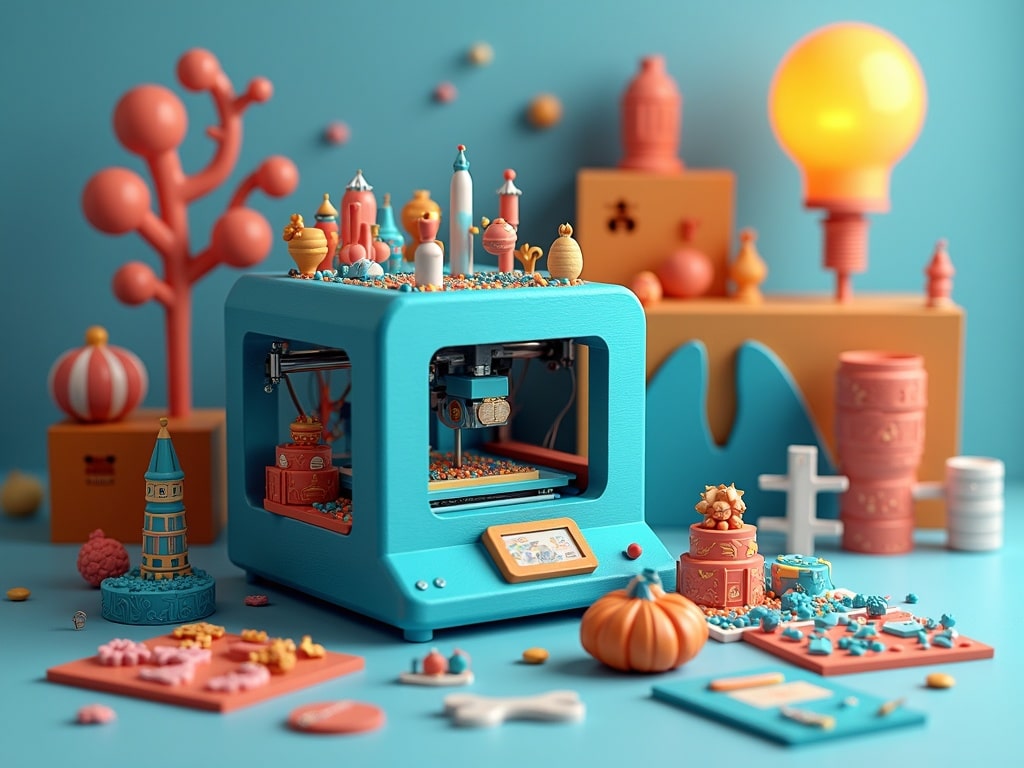
Design Tip: Create high-quality, well-optimized models that are easy to print. Provide clear instructions and support to your customers.
4. Creating and Selling Tutorials & Courses
Share your 3D printing knowledge and expertise with others:
- Online Learning Platforms: Create and sell courses on platforms like Udemy and Skillshare. Reach a global audience eager to learn about 3D printing.
- YouTube Tutorials: Build a following and monetize your content through ads and sponsorships. Provide valuable content consistently to attract and retain viewers.
- Workshops and Seminars: Offer in-person training sessions for local enthusiasts. This provides a more personalized learning experience and allows for direct interaction.
5. Print on Demand
Print on demand (POD) offers a unique advantage: you only print items when an order is placed, eliminating the need for upfront inventory. Partner with a POD service that integrates with your online store and automatically handles printing and shipping. This model is ideal for minimizing risk and focusing on design and marketing.
Essential Equipment and Materials
To succeed in the 3D printing business, you'll need the right tools and materials:
1. Choosing the Right 3D Printer
The market offers a wide range of 3D printers, each with its own strengths and weaknesses. Consider these factors:
- Technology: FDM (Fused Deposition Modeling) is the most common and affordable, while SLA (Stereolithography) offers higher precision and smoother surfaces.
- Build Volume: The maximum size of objects you can print. Choose a size that suits your target products.
- Material Compatibility: Ensure the printer can handle the materials you plan to use (e.g., PLA, ABS, PETG).
- Print Quality: Resolution and accuracy are crucial for producing high-quality products.
- Price: Set a budget and compare different models within your price range.
2. Essential Software
You'll need software for designing, slicing, and controlling your 3D printer:
- CAD Software: For creating 3D models (e.g., Tinkercad, Fusion 360, Blender).
- Slicing Software: For converting 3D models into instructions for your printer (e.g., Cura, Simplify3D, PrusaSlicer).
- Printer Control Software: Software that allows you to directly control the functions of your 3D printer via your computer.
3. Filament and Other Materials
The quality of your materials directly impacts the quality of your final products. Popular choices include:
- PLA: A biodegradable and easy-to-print plastic. Ideal for prototypes and non-functional parts.
- ABS: A strong and durable plastic suitable for functional parts. Requires a heated bed and good ventilation.
- PETG: A versatile plastic with good strength and chemical resistance. A good balance between PLA and ABS.
- Resin: Used in SLA printers for high-resolution parts. Requires careful handling and post-processing.
4. Post-Processing Tools
Often, 3D printed parts require some finishing touches:
- Sandpaper: For smoothing rough surfaces.
- Files: For removing support structures and refining edges.
- Paints and Coatings: For adding color and protection.
- Polishing Compounds: For achieving a glossy finish.
Marketing and Sales Strategies
Creating amazing products is only half the battle. You need to effectively market and sell them:
1. Building an Online Presence
Establish a strong online presence to reach potential customers:
- Website: Create a professional website showcasing your products and services.
- Social Media: Engage with your audience on platforms like Instagram, Facebook, and Twitter. Share photos of your work, run contests, and answer customer questions.
- Blog: Publish valuable content related to 3D printing and your niche. This can attract organic traffic and establish you as an expert.
2. Leveraging Social Media
Social media is a powerful tool for promoting your 3D printing business. Run targeted ad campaigns, engage with your followers, participate in relevant groups, and use relevant hashtags for discoverability.
3. Search Engine Optimization (SEO)
Optimize your website and product listings for search engines to attract organic traffic. Use relevant keywords in your titles, descriptions, and website content.
Legal and Ethical Considerations
Be mindful of these important considerations:
- Intellectual Property: Respect copyrights and trademarks. Don't print or sell items that infringe on someone else's intellectual property.
- Safety: Follow safety guidelines when operating your 3D printer. Use appropriate ventilation and wear safety glasses when necessary.
- Environmental Responsibility: Dispose of waste materials responsibly. Consider using biodegradable filaments like PLA.
Conclusion
Making money with a 3D printer is within your reach. By identifying a profitable niche, mastering the necessary skills, and implementing effective marketing strategies, you can transform your passion for 3D printing into a thriving business. The key is to be creative, persistent, and adaptable. Stay informed about the latest trends and technologies, and never stop learning. The possibilities are as limitless as your imagination, so get out there and start creating – and earning!